How to Build Human Resources Gift Baskets That Employees Actually Want

How to Build Human Resources Gift Baskets That Employees Actually Want

How to Build Human Resources Gift Baskets That Employees Actually Want

Swag and Gift Ideas

Swag and Gift Ideas

Swag and Gift Ideas

How to Build Human Resources Gift Baskets That Employees Actually Want

How to Build Human Resources Gift Baskets That Employees Actually Want

How to Build Human Resources Gift Baskets That Employees Actually Want

This guide breaks down how to build employee gift baskets that feel are useful and aligned with real milestones, covering what to include, when to send them, and more!

This guide breaks down how to build employee gift baskets that feel are useful and aligned with real milestones, covering what to include, when to send them, and more!

This guide breaks down how to build employee gift baskets that feel are useful and aligned with real milestones, covering what to include, when to send them, and more!

Jan 28, 2026

Jan 28, 2026

Jan 28, 2026

5

5

5

min read

min read

min read

A woman on a laptop with a headphones, blanket, and tumbler on her side.
In this Post

You've been there. Standing in front of a generic corporate gift basket filled with items nobody asked for, wondering if anyone would actually use that branded stress ball or the third coffee mug this year. HR gift baskets have earned a reputation for missing the mark, but it doesn't have to be this way.

The truth is, gift baskets remain one of the most versatile tools in your employee recognition toolkit. When done right, they show genuine appreciation, strengthen team bonds, and create moments that people remember long after the wrapping comes off. The difference between a gift basket that ends up in a donation pile and one that makes someone's day comes down to understanding what your people actually value.

This guide walks you through building HR gift baskets that connect with your team. We'll cover why traditional approaches fall short, how to choose items people want, and practical ways to implement a gifting strategy that scales with your organization.


What makes HR gift baskets different from regular corporate gifts?

HR gift baskets serve a specific purpose in your employee experience strategy. Unlike one-off corporate gifts or client appreciation packages, these baskets address distinct moments in the employee journey, from welcoming new hires to celebrating major milestones.

The concept evolved from traditional employee appreciation methods. Twenty years ago, companies handed out plaques and generic gift certificates. Then came the era of branded merchandise, where everything from pens to water bottles carried the company logo. Today's employees expect something more personal and thoughtful.

Modern HR gift baskets blend practicality with personalization. They acknowledge that your team members have different preferences, lifestyles, and needs. A new parent might appreciate different items than a recent college graduate. Someone working remotely needs support different from that of an office-based employee.

The shift toward employee choice has transformed how organizations approach gifting. Rather than deciding for your team, many companies now let employees select items that fit their lives. This approach reduces waste, increases satisfaction, and shows respect for individual preferences.


Why do HR gift baskets matter for employee engagement?

Recognition drives retention. When employees feel valued, they're more likely to stay engaged with their work and committed to your organization. Gift baskets serve as tangible reminders that their contributions matter.

The timing of these gifts amplifies their impact. A welcome basket for a new hire sets the tone for their entire experience with your company. An anniversary basket acknowledges loyalty and investment. A thank-you basket after a challenging project validates effort and builds momentum.

Physical gifts create lasting impressions in ways that digital recognition can't match. An email congratulating someone on five years of service gets read and forgotten. A thoughtfully curated basket sits on their desk, sparks conversations with colleagues, and reminds them daily that their work matters.

Gift baskets also strengthen team culture. When everyone receives recognition for milestones, it creates a sense of fairness and consistency. Your team sees that the company follows through on its values, not just during annual reviews but throughout the year.

The ripple effects extend beyond the recipient. Colleagues notice when someone receives recognition. It reinforces positive behaviors, sets expectations for what the company values, and creates anticipation for their own milestone moments. Companies that implement consistent recognition programs see measurable improvements in team morale and productivity.

Creative Ways to Use HR Gift Baskets Throughout the Employee Lifecycle

The most effective gift basket programs align with natural touchpoints in the employee experience. Each moment presents an opportunity to strengthen your relationship with team members.

New Hire Welcome Baskets make first impressions count. Include practical items they'll use immediately, like quality notebooks, a water bottle, or headphones. Add company swag that's actually useful, not just branded for branding's sake. Consider items that help them settle into remote work or navigate your office space.

Work Anniversary Baskets should scale with tenure. A one-year anniversary might include everyday items and company merchandise. Five years deserves something more substantial, like premium tech accessories or experience-based gifts. Ten years calls for recognition that matches the commitment, perhaps letting the employee choose from a curated selection of higher-value items.

Project Completion Recognition works best when it's immediate. After your team ships a major product, closes a big deal, or finishes a challenging initiative, send baskets that celebrate the achievement. Include items that help them recharge, like gourmet snacks, self-care products, or entertainment subscriptions.

Birthday and Holiday Baskets add personal touches to professional relationships. These don't need to be expensive, but they should feel personal. Consider dietary preferences, hobbies, or interests you know about the recipient. The goal is showing you see them as individuals, not just employees.

Life Event Recognition acknowledges the whole person. Weddings, new babies, home purchases, these milestones matter to your team. Gift baskets that celebrate these moments demonstrate that your company cares about their lives beyond work.

Performance-Based Recognition reinforces the behaviors you want to see more of. When someone goes above and beyond, delivers exceptional results, or exemplifies company values, a surprise gift basket makes the recognition tangible and memorable.


Building Your Gift Basket: Products That Make an Impact

The items you choose determine whether your gift basket becomes a cherished gift or forgotten clutter. Here are products that consistently resonate with employees across different roles and preferences.

Jerzees NuBlend Fleece Jogger 975MP

Price: $24.28

Best for: Self-care gifts and active teams

Zen Pods Bluetooth Headphones with ANC

Price: $39.98

Best for: Techy HR personnel and anniversary kits

OGIO Shadow Travel Kit

Price: $18.45

Best for: Employees who love to travel, and for people who commute

Tentree Organic Cotton Ocean Breeze Throw

Price: $55.98

Best for: Homebodies and work-from-home team members

14 oz contigo streeterville

Price: $17.99

Best for: Office use and desk essentials kit


How to choose the right gifts for your team?

Selecting items that resonate requires understanding your team's demographics, preferences, and daily realities. The most successful gift baskets balance universal appeal with opportunities for personalization.

Know your audience demographics

Start by analyzing your team composition. A tech startup with primarily millennial and Gen Z employees has different preferences than a manufacturing company with a multi-generational workforce. Remote teams need support that is different from office-based groups.

Consider geographic distribution. If you're shipping globally, think about items that travel well and have universal appeal. Avoid food items with short shelf lives or products that might not clear customs easily. Companies using global gifting platforms can source locally in each market, ensuring items arrive fresh and relevant.

Look at role types across your organization. Engineers might appreciate tech accessories and productivity tools. Sales teams might prefer items that support their on-the-go lifestyle. Creative departments might value unique, design-forward products. Your gift basket strategy should accommodate these differences.

Balance practical and aspirational items

The best baskets mix items employees need with things they want but might not buy themselves. Include practical items they'll use immediately, like quality notebooks, water bottles, or phone accessories. These prove the gift's value right away.

Add aspirational items that feel like treats. Premium snacks, self-care products, or small luxury items create moments of delight. These don't need to be expensive; they just need to feel special and chosen with care.

Avoid items that create work or obligations. Gift cards sound convenient, but they require the recipient to make decisions and take action. Subscription services might seem generous, but they create ongoing commitments. The best gifts are ready to use or enjoy immediately.

Create flexibility through choice

Employee choice transforms good gifts into great ones. Rather than guessing what each person wants, let them select from curated options. This approach respects individual preferences while maintaining your budget and brand standards.

Set up tiered selections based on occasion or tenure. New hires might choose from a welcome collection. Five-year anniversaries unlock premium options. This structure makes the program scalable while ensuring fairness.

Include options for different lifestyles. Some employees want tech gear, others prefer apparel, and some choose home office items. Offering variety ensures everyone finds something meaningful. Platforms that enable employee self-selection eliminate guesswork and reduce waste from unwanted items.

Consider sustainability and values alignment

Your gift choices reflect company values. Employees increasingly care about environmental impact, ethical sourcing, and social responsibility. Choose vendors and products that align with these priorities.

Look for items made from sustainable materials, produced through ethical labor practices, or supporting social causes. These choices show your values extend beyond marketing messages into operational decisions.

Minimize packaging waste. Use recyclable materials, avoid excessive wrapping, and choose items with minimal packaging. Some companies offset the carbon footprint of shipping, turning each gift into a positive environmental contribution. Organizations can partner with sustainability-focused platforms that prioritize local sourcing and environmental responsibility.


Frequently Asked Questions About HR Gift Baskets

How much should we budget per employee for gift baskets?

Budget considerations depend on the occasion, company size, and financial position. Welcome baskets typically range from $50 to $150, providing enough value to make an impression without excessive spending. Anniversary gifts should scale with tenure, starting around $50 for the first year and increasing to $200 or more for significant milestones like five or ten years.

Performance-based recognition often falls in the $75 to $150 range, substantial enough to feel meaningful but sustainable for regular use. The key is consistency within categories. Employees notice if recognition feels arbitrary or unfair.

Consider your total recognition budget holistically. If you're spending $500 per employee annually on various recognition efforts, allocate that across different touchpoints rather than putting it all into one large gift. Frequent, smaller moments of appreciation often drive more engagement than one big annual gesture.

Should we include company branding on gift items?

Branding works best when subtle and tasteful. A small logo on quality apparel feels professional. A large logo plastered across every item feels like you're prioritizing marketing over appreciation.

Mix branded and unbranded items in each basket. Include one or two pieces with your company mark, but balance them with neutral items employees would choose regardless of branding. This approach lets people show company pride when they want while avoiding the feeling of being a walking advertisement.

For items like tech accessories or home office products, skip the branding entirely. These items integrate into personal spaces where company logos feel out of place. Save branding for items naturally worn in professional contexts, like apparel or bags.

How do we handle dietary restrictions and personal preferences?

Avoid food items in standardized baskets unless you have detailed preference data. Food restrictions around allergies, dietary choices, and religious practices make one-size-fits-all food baskets risky. If you include food, offer multiple options or stick to universally safe items like sealed, allergen-free snacks.

Collect preference information during onboarding or through periodic surveys. Ask about dietary restrictions, sizing for apparel, and general interests. Store this data securely and update it regularly as preferences change.

The safest approach is letting employees choose their own items from curated collections. This eliminates guesswork around sizes, preferences, and restrictions while ensuring everyone receives something they actually want.

What's the best time to send gift baskets?

Timing amplifies impact. Send welcome baskets before or on the first day of work. This creates excitement and shows you are prepared for their arrival. Late welcome gifts feel like afterthoughts.

For anniversaries, automate the process so gifts arrive on the actual date. Platforms that automate anniversary recognition ensure no milestone gets missed, even during busy periods.

Project completion recognition works best immediately after achievement. Send baskets within a week of finishing a major initiative while the accomplishment still feels fresh. Delayed recognition loses emotional connection to the achievement.

Seasonal gifts should arrive with enough time to enjoy them. Holiday baskets shipping in late December often get lost in the chaos. Send them in early December when people can appreciate the gesture.

How do we scale gift baskets for growing teams?

Manual gift basket programs break down around 50 employees. Beyond that size, you need systems to track milestones, manage budgets, and coordinate shipping. Start with clear documentation of your program rules, budgets, and processes.

  • Automate milestone tracking through your HRIS or dedicated recognition platform. Manual tracking leads to missed anniversaries and inconsistent recognition. Automation ensures fairness and reduces administrative burden.

  • Establish vendor relationships that scale with your growth. Choose partners who can handle increasing volume without quality degradation. Negotiate pricing tiers that reward growth while maintaining budget predictability.

  • Create templates for different occasion types. This standardizes the experience while allowing for personalization. New managers can follow established guidelines rather than reinventing the process each time.

Should remote and office employees receive different gifts?

Remote employees need items that support their home office setup and combat isolation. Tech accessories, quality desk items, and comfort products work well. Office employees might appreciate items for commuting, lunch breaks, or desk personalization.

The core principle is fairness in value, not identical items. Remote and office employees can receive different products as long as the perceived value and thoughtfulness remain equivalent. Explain your approach transparently so no one feels shortchanged.

Some items work universally. Quality apparel, personal accessories, and experience-based gifts transcend work location. Focus your location-specific choices on practical items while keeping aspirational gifts consistent.


How do we measure the ROI of gift basket programs?

Track engagement metrics before and after implementing recognition programs. Monitor retention rates, particularly around milestone anniversaries. Employees who feel recognized are more likely to stay through their anniversary dates.

Survey employees about recognition effectiveness. Ask specific questions about gift quality, timing, and relevance. This feedback helps refine your program over time.

Calculate cost per retention. If your gift basket program costs $50,000 annually and helps retain five employees who would have otherwise left, compare that to replacement costs. The average cost of replacing an employee ranges from 50% to 200% of their annual salary, making retention investments highly valuable.

Monitor participation in optional recognition programs. If you offer employee-nominated recognition with gift rewards, track nomination rates and recipient feedback. High participation indicates the program resonates with your culture.


Best Practices for Implementing Your Gift Basket Program

Successful gift basket programs require more than good intentions. They need structure, consistency, and ongoing refinement based on feedback and results.

  1. Start with clear program guidelines. Document which occasions trigger gifts, budget ranges for each category, and approval processes. This prevents confusion and ensures fair treatment across your organization. Share these guidelines with managers so they understand what recognition looks like at your company.

  2. Build milestone tracking into your existing systems. Your HRIS should flag upcoming anniversaries, birthdays, and other recognition opportunities. Set reminders at least two weeks in advance to allow time for ordering and shipping. Nothing undermines recognition faster than late or forgotten gifts.

  3. Create feedback loops to improve over time. After each major gifting initiative, survey recipients about their experience. Ask what they loved, what they'd change, and what items they actually use. This data informs future selections and prevents repeated mistakes.

  4. Train managers on recognition best practices. The gift basket is just one element. Pair it with personal acknowledgment, public recognition, or team celebrations. The combination creates more impact than any single gesture alone. Many organizations find success by exploring comprehensive recognition strategies that integrate multiple touchpoints.

  5. Plan for exceptions and special circumstances. Life events, extraordinary achievements, and unique situations sometimes call for recognition outside standard programs. Build flexibility into your budget and processes to handle these moments without bureaucratic delays.

  6. Review and adjust your program quarterly. What worked six months ago might not resonate today. Employee preferences shift, new products emerge, and your company culture evolves. Regular reviews keep your program relevant and effective.

  7. Consider the complete employee journey. Gift baskets work best as part of a broader recognition strategy that includes verbal appreciation, career development opportunities, and meaningful work assignments. The most engaged employees experience recognition through multiple channels, not just physical gifts.


Making Recognition Meaningful and Sustainable

Gift baskets represent more than items in a box. They're tangible expressions of appreciation, markers of important moments, and reinforcement of your company's values. When executed thoughtfully, they strengthen the bond between employees and organizations.

The shift toward employee choice, sustainable practices, and personalized recognition reflects broader changes in workplace culture. Employees expect companies to see them as individuals with unique preferences and values. Generic, one-size-fits-all approaches no longer meet these expectations.

Success comes from balancing structure with flexibility, consistency with personalization, and quality with sustainability. Your gift basket program should feel organized and fair while leaving room for individual preferences and special circumstances.

Ready to build a recognition program that scales with your team? Book a demo to see how PerkUp helps organizations create meaningful recognition moments with global reach, employee choice, and sustainability built in. Our platform handles the logistics so you can focus on what matters, showing your team they're valued.

You've been there. Standing in front of a generic corporate gift basket filled with items nobody asked for, wondering if anyone would actually use that branded stress ball or the third coffee mug this year. HR gift baskets have earned a reputation for missing the mark, but it doesn't have to be this way.

The truth is, gift baskets remain one of the most versatile tools in your employee recognition toolkit. When done right, they show genuine appreciation, strengthen team bonds, and create moments that people remember long after the wrapping comes off. The difference between a gift basket that ends up in a donation pile and one that makes someone's day comes down to understanding what your people actually value.

This guide walks you through building HR gift baskets that connect with your team. We'll cover why traditional approaches fall short, how to choose items people want, and practical ways to implement a gifting strategy that scales with your organization.


What makes HR gift baskets different from regular corporate gifts?

HR gift baskets serve a specific purpose in your employee experience strategy. Unlike one-off corporate gifts or client appreciation packages, these baskets address distinct moments in the employee journey, from welcoming new hires to celebrating major milestones.

The concept evolved from traditional employee appreciation methods. Twenty years ago, companies handed out plaques and generic gift certificates. Then came the era of branded merchandise, where everything from pens to water bottles carried the company logo. Today's employees expect something more personal and thoughtful.

Modern HR gift baskets blend practicality with personalization. They acknowledge that your team members have different preferences, lifestyles, and needs. A new parent might appreciate different items than a recent college graduate. Someone working remotely needs support different from that of an office-based employee.

The shift toward employee choice has transformed how organizations approach gifting. Rather than deciding for your team, many companies now let employees select items that fit their lives. This approach reduces waste, increases satisfaction, and shows respect for individual preferences.


Why do HR gift baskets matter for employee engagement?

Recognition drives retention. When employees feel valued, they're more likely to stay engaged with their work and committed to your organization. Gift baskets serve as tangible reminders that their contributions matter.

The timing of these gifts amplifies their impact. A welcome basket for a new hire sets the tone for their entire experience with your company. An anniversary basket acknowledges loyalty and investment. A thank-you basket after a challenging project validates effort and builds momentum.

Physical gifts create lasting impressions in ways that digital recognition can't match. An email congratulating someone on five years of service gets read and forgotten. A thoughtfully curated basket sits on their desk, sparks conversations with colleagues, and reminds them daily that their work matters.

Gift baskets also strengthen team culture. When everyone receives recognition for milestones, it creates a sense of fairness and consistency. Your team sees that the company follows through on its values, not just during annual reviews but throughout the year.

The ripple effects extend beyond the recipient. Colleagues notice when someone receives recognition. It reinforces positive behaviors, sets expectations for what the company values, and creates anticipation for their own milestone moments. Companies that implement consistent recognition programs see measurable improvements in team morale and productivity.


Creative Ways to Use HR Gift Baskets Throughout the Employee Lifecycle

The most effective gift basket programs align with natural touchpoints in the employee experience. Each moment presents an opportunity to strengthen your relationship with team members.

New Hire Welcome Baskets make first impressions count. Include practical items they'll use immediately, like quality notebooks, a water bottle, or headphones. Add company swag that's actually useful, not just branded for branding's sake. Consider items that help them settle into remote work or navigate your office space.

Work Anniversary Baskets should scale with tenure. A one-year anniversary might include everyday items and company merchandise. Five years deserves something more substantial, like premium tech accessories or experience-based gifts. Ten years calls for recognition that matches the commitment, perhaps letting the employee choose from a curated selection of higher-value items.

Project Completion Recognition works best when it's immediate. After your team ships a major product, closes a big deal, or finishes a challenging initiative, send baskets that celebrate the achievement. Include items that help them recharge, like gourmet snacks, self-care products, or entertainment subscriptions.

Birthday and Holiday Baskets add personal touches to professional relationships. These don't need to be expensive, but they should feel personal. Consider dietary preferences, hobbies, or interests you know about the recipient. The goal is showing you see them as individuals, not just employees.

Life Event Recognition acknowledges the whole person. Weddings, new babies, home purchases, these milestones matter to your team. Gift baskets that celebrate these moments demonstrate that your company cares about their lives beyond work.

Performance-Based Recognition reinforces the behaviors you want to see more of. When someone goes above and beyond, delivers exceptional results, or exemplifies company values, a surprise gift basket makes the recognition tangible and memorable.


Building Your Gift Basket: Products That Make an Impact

The items you choose determine whether your gift basket becomes a cherished gift or forgotten clutter. Here are products that consistently resonate with employees across different roles and preferences.

Jerzees NuBlend Fleece Jogger 975MP

Price: $24.28

Best for: Self-care gifts and active teams

Zen Pods Bluetooth Headphones with ANC

Price: $39.98

Best for: Techy HR personnel and anniversary kits

OGIO Shadow Travel Kit

Price: $18.45

Best for: Employees who love to travel, and for people who commute

Tentree Organic Cotton Ocean Breeze Throw

Price: $55.98

Best for: Homebodies and work-from-home team members

14 oz contigo streeterville

Price: $17.99

Best for: Office use and desk essentials kit


How to choose the right gifts for your team?

Selecting items that resonate requires understanding your team's demographics, preferences, and daily realities. The most successful gift baskets balance universal appeal with opportunities for personalization.

Know your audience demographics

Start by analyzing your team composition. A tech startup with primarily millennial and Gen Z employees has different preferences than a manufacturing company with a multi-generational workforce. Remote teams need support that is different from office-based groups.

Consider geographic distribution. If you're shipping globally, think about items that travel well and have universal appeal. Avoid food items with short shelf lives or products that might not clear customs easily. Companies using global gifting platforms can source locally in each market, ensuring items arrive fresh and relevant.

Look at role types across your organization. Engineers might appreciate tech accessories and productivity tools. Sales teams might prefer items that support their on-the-go lifestyle. Creative departments might value unique, design-forward products. Your gift basket strategy should accommodate these differences.

Balance practical and aspirational items

The best baskets mix items employees need with things they want but might not buy themselves. Include practical items they'll use immediately, like quality notebooks, water bottles, or phone accessories. These prove the gift's value right away.

Add aspirational items that feel like treats. Premium snacks, self-care products, or small luxury items create moments of delight. These don't need to be expensive; they just need to feel special and chosen with care.

Avoid items that create work or obligations. Gift cards sound convenient, but they require the recipient to make decisions and take action. Subscription services might seem generous, but they create ongoing commitments. The best gifts are ready to use or enjoy immediately.

Create flexibility through choice

Employee choice transforms good gifts into great ones. Rather than guessing what each person wants, let them select from curated options. This approach respects individual preferences while maintaining your budget and brand standards.

Set up tiered selections based on occasion or tenure. New hires might choose from a welcome collection. Five-year anniversaries unlock premium options. This structure makes the program scalable while ensuring fairness.

Include options for different lifestyles. Some employees want tech gear, others prefer apparel, and some choose home office items. Offering variety ensures everyone finds something meaningful. Platforms that enable employee self-selection eliminate guesswork and reduce waste from unwanted items.

Consider sustainability and values alignment

Your gift choices reflect company values. Employees increasingly care about environmental impact, ethical sourcing, and social responsibility. Choose vendors and products that align with these priorities.

Look for items made from sustainable materials, produced through ethical labor practices, or supporting social causes. These choices show your values extend beyond marketing messages into operational decisions.

Minimize packaging waste. Use recyclable materials, avoid excessive wrapping, and choose items with minimal packaging. Some companies offset the carbon footprint of shipping, turning each gift into a positive environmental contribution. Organizations can partner with sustainability-focused platforms that prioritize local sourcing and environmental responsibility.


Frequently Asked Questions About HR Gift Baskets

How much should we budget per employee for gift baskets?

Budget considerations depend on the occasion, company size, and financial position. Welcome baskets typically range from $50 to $150, providing enough value to make an impression without excessive spending. Anniversary gifts should scale with tenure, starting around $50 for the first year and increasing to $200 or more for significant milestones like five or ten years.

Performance-based recognition often falls in the $75 to $150 range, substantial enough to feel meaningful but sustainable for regular use. The key is consistency within categories. Employees notice if recognition feels arbitrary or unfair.

Consider your total recognition budget holistically. If you're spending $500 per employee annually on various recognition efforts, allocate that across different touchpoints rather than putting it all into one large gift. Frequent, smaller moments of appreciation often drive more engagement than one big annual gesture.

Should we include company branding on gift items?

Branding works best when subtle and tasteful. A small logo on quality apparel feels professional. A large logo plastered across every item feels like you're prioritizing marketing over appreciation.

Mix branded and unbranded items in each basket. Include one or two pieces with your company mark, but balance them with neutral items employees would choose regardless of branding. This approach lets people show company pride when they want while avoiding the feeling of being a walking advertisement.

For items like tech accessories or home office products, skip the branding entirely. These items integrate into personal spaces where company logos feel out of place. Save branding for items naturally worn in professional contexts, like apparel or bags.

How do we handle dietary restrictions and personal preferences?

Avoid food items in standardized baskets unless you have detailed preference data. Food restrictions around allergies, dietary choices, and religious practices make one-size-fits-all food baskets risky. If you include food, offer multiple options or stick to universally safe items like sealed, allergen-free snacks.

Collect preference information during onboarding or through periodic surveys. Ask about dietary restrictions, sizing for apparel, and general interests. Store this data securely and update it regularly as preferences change.

The safest approach is letting employees choose their own items from curated collections. This eliminates guesswork around sizes, preferences, and restrictions while ensuring everyone receives something they actually want.

What's the best time to send gift baskets?

Timing amplifies impact. Send welcome baskets before or on the first day of work. This creates excitement and shows you are prepared for their arrival. Late welcome gifts feel like afterthoughts.

For anniversaries, automate the process so gifts arrive on the actual date. Platforms that automate anniversary recognition ensure no milestone gets missed, even during busy periods.

Project completion recognition works best immediately after achievement. Send baskets within a week of finishing a major initiative while the accomplishment still feels fresh. Delayed recognition loses emotional connection to the achievement.

Seasonal gifts should arrive with enough time to enjoy them. Holiday baskets shipping in late December often get lost in the chaos. Send them in early December when people can appreciate the gesture.

How do we scale gift baskets for growing teams?

Manual gift basket programs break down around 50 employees. Beyond that size, you need systems to track milestones, manage budgets, and coordinate shipping. Start with clear documentation of your program rules, budgets, and processes.

  • Automate milestone tracking through your HRIS or dedicated recognition platform. Manual tracking leads to missed anniversaries and inconsistent recognition. Automation ensures fairness and reduces administrative burden.

  • Establish vendor relationships that scale with your growth. Choose partners who can handle increasing volume without quality degradation. Negotiate pricing tiers that reward growth while maintaining budget predictability.

  • Create templates for different occasion types. This standardizes the experience while allowing for personalization. New managers can follow established guidelines rather than reinventing the process each time.

Should remote and office employees receive different gifts?

Remote employees need items that support their home office setup and combat isolation. Tech accessories, quality desk items, and comfort products work well. Office employees might appreciate items for commuting, lunch breaks, or desk personalization.

The core principle is fairness in value, not identical items. Remote and office employees can receive different products as long as the perceived value and thoughtfulness remain equivalent. Explain your approach transparently so no one feels shortchanged.

Some items work universally. Quality apparel, personal accessories, and experience-based gifts transcend work location. Focus your location-specific choices on practical items while keeping aspirational gifts consistent.


How do we measure the ROI of gift basket programs?

Track engagement metrics before and after implementing recognition programs. Monitor retention rates, particularly around milestone anniversaries. Employees who feel recognized are more likely to stay through their anniversary dates.

Survey employees about recognition effectiveness. Ask specific questions about gift quality, timing, and relevance. This feedback helps refine your program over time.

Calculate cost per retention. If your gift basket program costs $50,000 annually and helps retain five employees who would have otherwise left, compare that to replacement costs. The average cost of replacing an employee ranges from 50% to 200% of their annual salary, making retention investments highly valuable.

Monitor participation in optional recognition programs. If you offer employee-nominated recognition with gift rewards, track nomination rates and recipient feedback. High participation indicates the program resonates with your culture.


Best Practices for Implementing Your Gift Basket Program

Successful gift basket programs require more than good intentions. They need structure, consistency, and ongoing refinement based on feedback and results.

  1. Start with clear program guidelines. Document which occasions trigger gifts, budget ranges for each category, and approval processes. This prevents confusion and ensures fair treatment across your organization. Share these guidelines with managers so they understand what recognition looks like at your company.

  2. Build milestone tracking into your existing systems. Your HRIS should flag upcoming anniversaries, birthdays, and other recognition opportunities. Set reminders at least two weeks in advance to allow time for ordering and shipping. Nothing undermines recognition faster than late or forgotten gifts.

  3. Create feedback loops to improve over time. After each major gifting initiative, survey recipients about their experience. Ask what they loved, what they'd change, and what items they actually use. This data informs future selections and prevents repeated mistakes.

  4. Train managers on recognition best practices. The gift basket is just one element. Pair it with personal acknowledgment, public recognition, or team celebrations. The combination creates more impact than any single gesture alone. Many organizations find success by exploring comprehensive recognition strategies that integrate multiple touchpoints.

  5. Plan for exceptions and special circumstances. Life events, extraordinary achievements, and unique situations sometimes call for recognition outside standard programs. Build flexibility into your budget and processes to handle these moments without bureaucratic delays.

  6. Review and adjust your program quarterly. What worked six months ago might not resonate today. Employee preferences shift, new products emerge, and your company culture evolves. Regular reviews keep your program relevant and effective.

  7. Consider the complete employee journey. Gift baskets work best as part of a broader recognition strategy that includes verbal appreciation, career development opportunities, and meaningful work assignments. The most engaged employees experience recognition through multiple channels, not just physical gifts.


Making Recognition Meaningful and Sustainable

Gift baskets represent more than items in a box. They're tangible expressions of appreciation, markers of important moments, and reinforcement of your company's values. When executed thoughtfully, they strengthen the bond between employees and organizations.

The shift toward employee choice, sustainable practices, and personalized recognition reflects broader changes in workplace culture. Employees expect companies to see them as individuals with unique preferences and values. Generic, one-size-fits-all approaches no longer meet these expectations.

Success comes from balancing structure with flexibility, consistency with personalization, and quality with sustainability. Your gift basket program should feel organized and fair while leaving room for individual preferences and special circumstances.

Ready to build a recognition program that scales with your team? Book a demo to see how PerkUp helps organizations create meaningful recognition moments with global reach, employee choice, and sustainability built in. Our platform handles the logistics so you can focus on what matters, showing your team they're valued.

You've been there. Standing in front of a generic corporate gift basket filled with items nobody asked for, wondering if anyone would actually use that branded stress ball or the third coffee mug this year. HR gift baskets have earned a reputation for missing the mark, but it doesn't have to be this way.

The truth is, gift baskets remain one of the most versatile tools in your employee recognition toolkit. When done right, they show genuine appreciation, strengthen team bonds, and create moments that people remember long after the wrapping comes off. The difference between a gift basket that ends up in a donation pile and one that makes someone's day comes down to understanding what your people actually value.

This guide walks you through building HR gift baskets that connect with your team. We'll cover why traditional approaches fall short, how to choose items people want, and practical ways to implement a gifting strategy that scales with your organization.


What makes HR gift baskets different from regular corporate gifts?

HR gift baskets serve a specific purpose in your employee experience strategy. Unlike one-off corporate gifts or client appreciation packages, these baskets address distinct moments in the employee journey, from welcoming new hires to celebrating major milestones.

The concept evolved from traditional employee appreciation methods. Twenty years ago, companies handed out plaques and generic gift certificates. Then came the era of branded merchandise, where everything from pens to water bottles carried the company logo. Today's employees expect something more personal and thoughtful.

Modern HR gift baskets blend practicality with personalization. They acknowledge that your team members have different preferences, lifestyles, and needs. A new parent might appreciate different items than a recent college graduate. Someone working remotely needs support different from that of an office-based employee.

The shift toward employee choice has transformed how organizations approach gifting. Rather than deciding for your team, many companies now let employees select items that fit their lives. This approach reduces waste, increases satisfaction, and shows respect for individual preferences.


Why do HR gift baskets matter for employee engagement?

Recognition drives retention. When employees feel valued, they're more likely to stay engaged with their work and committed to your organization. Gift baskets serve as tangible reminders that their contributions matter.

The timing of these gifts amplifies their impact. A welcome basket for a new hire sets the tone for their entire experience with your company. An anniversary basket acknowledges loyalty and investment. A thank-you basket after a challenging project validates effort and builds momentum.

Physical gifts create lasting impressions in ways that digital recognition can't match. An email congratulating someone on five years of service gets read and forgotten. A thoughtfully curated basket sits on their desk, sparks conversations with colleagues, and reminds them daily that their work matters.

Gift baskets also strengthen team culture. When everyone receives recognition for milestones, it creates a sense of fairness and consistency. Your team sees that the company follows through on its values, not just during annual reviews but throughout the year.

The ripple effects extend beyond the recipient. Colleagues notice when someone receives recognition. It reinforces positive behaviors, sets expectations for what the company values, and creates anticipation for their own milestone moments. Companies that implement consistent recognition programs see measurable improvements in team morale and productivity.
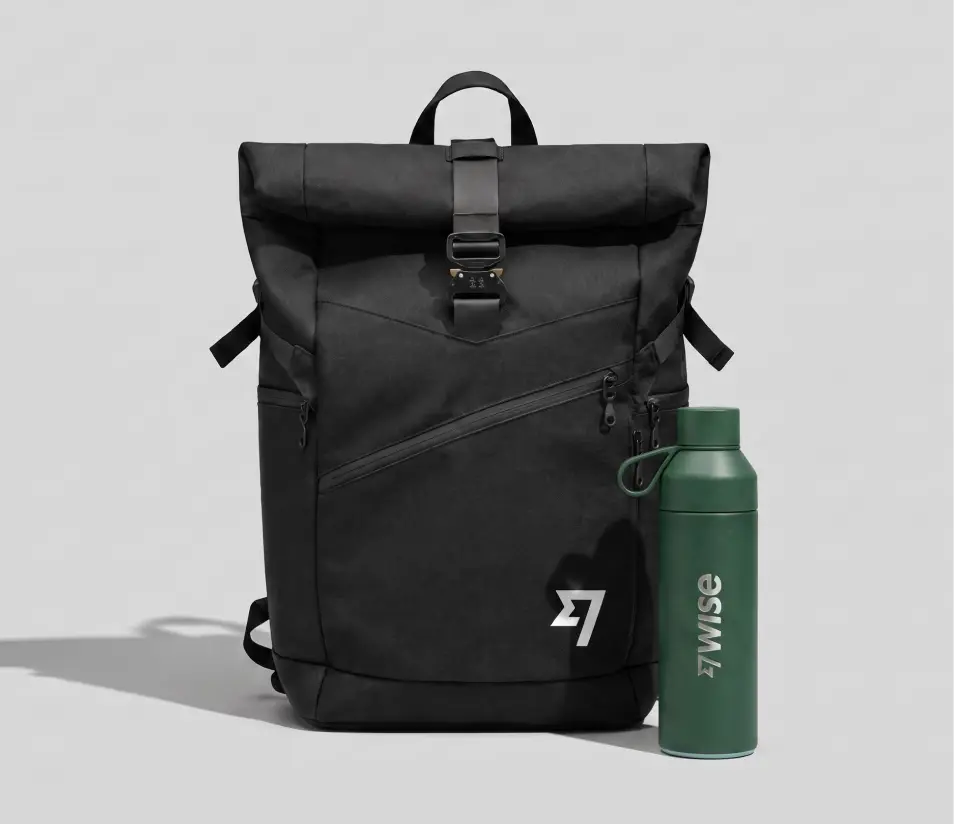

Creative Ways to Use HR Gift Baskets Throughout the Employee Lifecycle

The most effective gift basket programs align with natural touchpoints in the employee experience. Each moment presents an opportunity to strengthen your relationship with team members.

New Hire Welcome Baskets make first impressions count. Include practical items they'll use immediately, like quality notebooks, a water bottle, or headphones. Add company swag that's actually useful, not just branded for branding's sake. Consider items that help them settle into remote work or navigate your office space.

Work Anniversary Baskets should scale with tenure. A one-year anniversary might include everyday items and company merchandise. Five years deserves something more substantial, like premium tech accessories or experience-based gifts. Ten years calls for recognition that matches the commitment, perhaps letting the employee choose from a curated selection of higher-value items.

Project Completion Recognition works best when it's immediate. After your team ships a major product, closes a big deal, or finishes a challenging initiative, send baskets that celebrate the achievement. Include items that help them recharge, like gourmet snacks, self-care products, or entertainment subscriptions.

Birthday and Holiday Baskets add personal touches to professional relationships. These don't need to be expensive, but they should feel personal. Consider dietary preferences, hobbies, or interests you know about the recipient. The goal is showing you see them as individuals, not just employees.

Life Event Recognition acknowledges the whole person. Weddings, new babies, home purchases, these milestones matter to your team. Gift baskets that celebrate these moments demonstrate that your company cares about their lives beyond work.

Performance-Based Recognition reinforces the behaviors you want to see more of. When someone goes above and beyond, delivers exceptional results, or exemplifies company values, a surprise gift basket makes the recognition tangible and memorable.



Building Your Gift Basket: Products That Make an Impact

The items you choose determine whether your gift basket becomes a cherished gift or forgotten clutter. Here are products that consistently resonate with employees across different roles and preferences.

Jerzees NuBlend Fleece Jogger 975MP
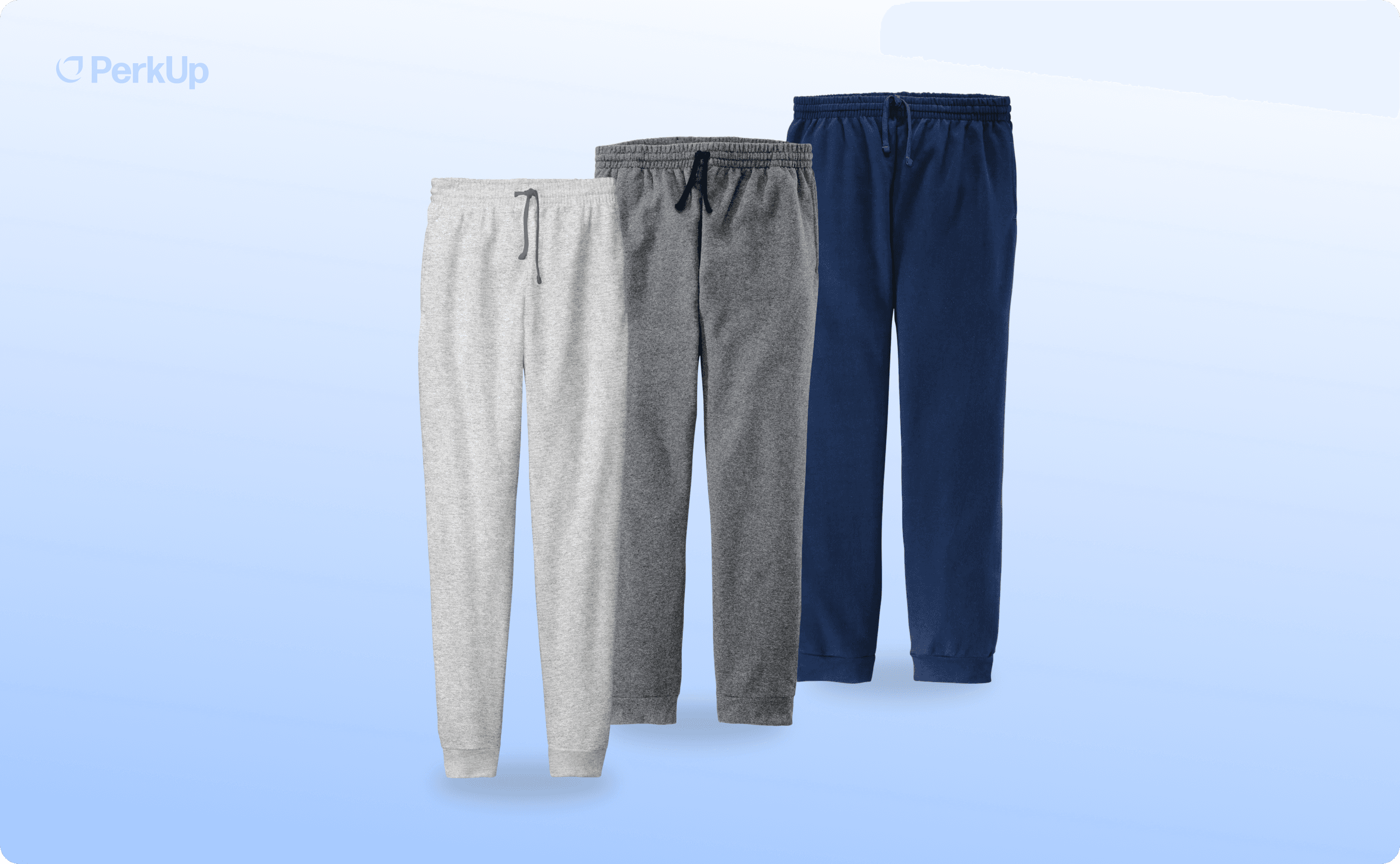
Price: $24.28

Best for: Self-care gifts and active teams

Zen Pods Bluetooth Headphones with ANC
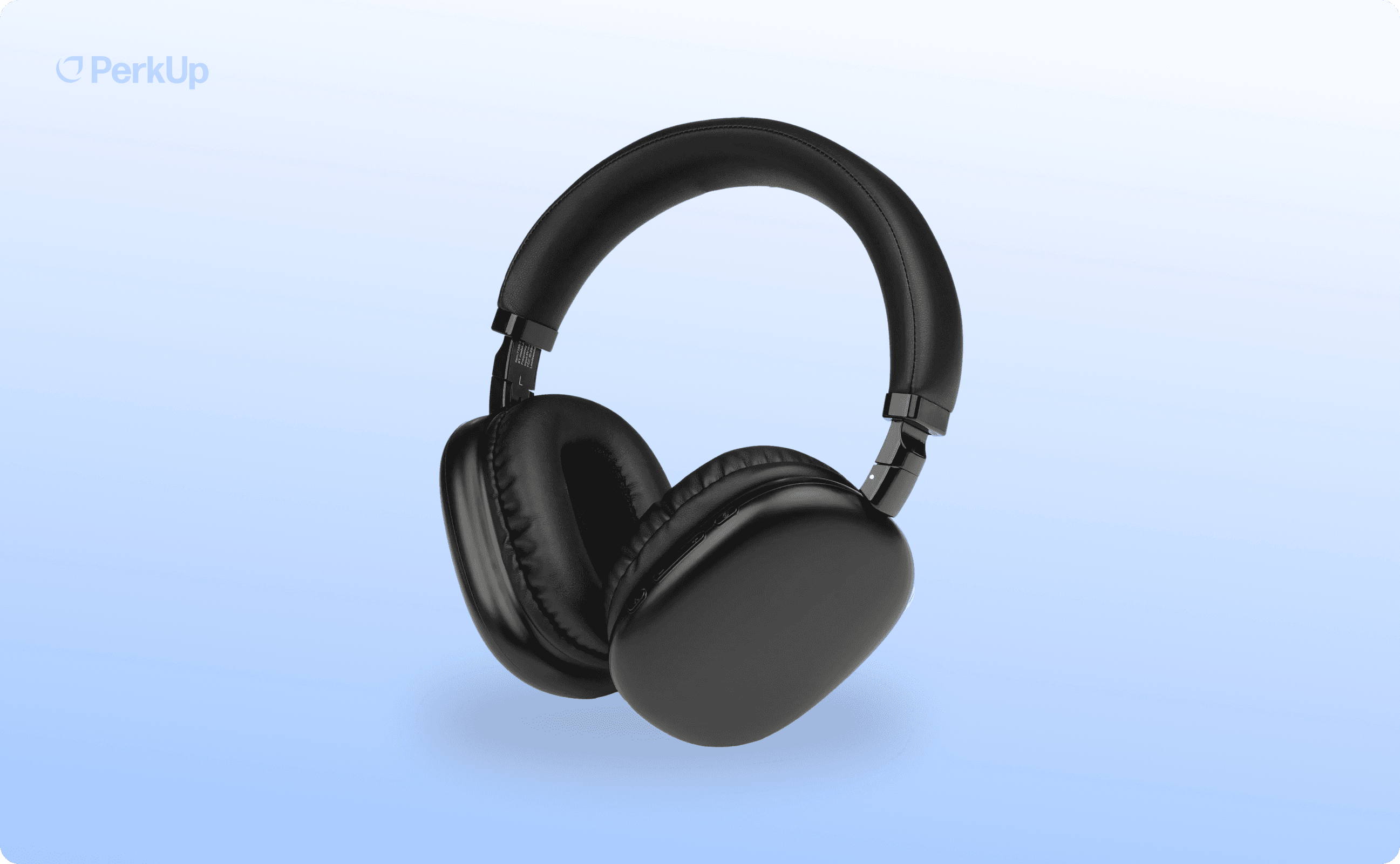
Price: $39.98

Best for: Techy HR personnel and anniversary kits

OGIO Shadow Travel Kit
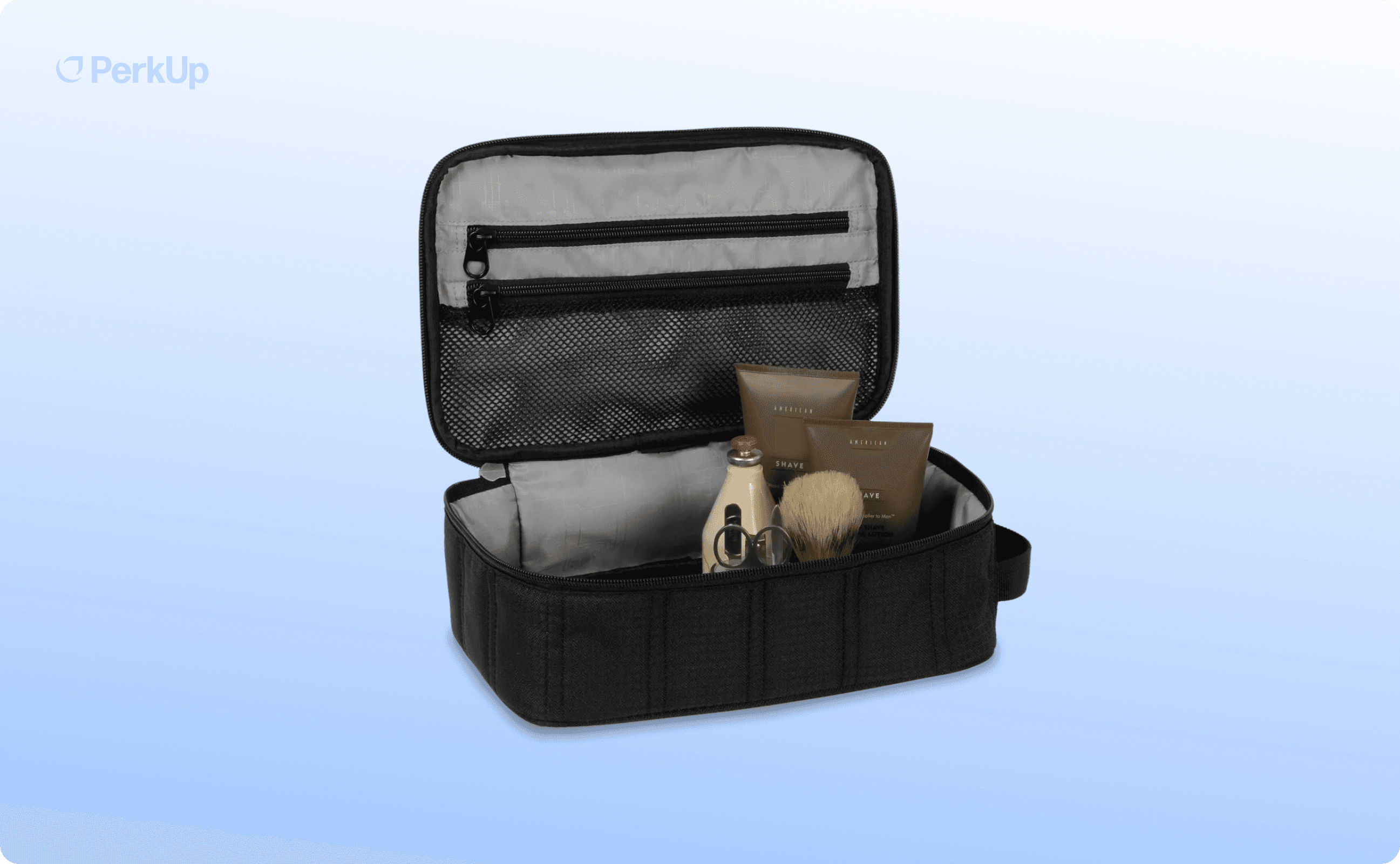
Price: $18.45

Best for: Employees who love to travel, and for people who commute

Tentree Organic Cotton Ocean Breeze Throw
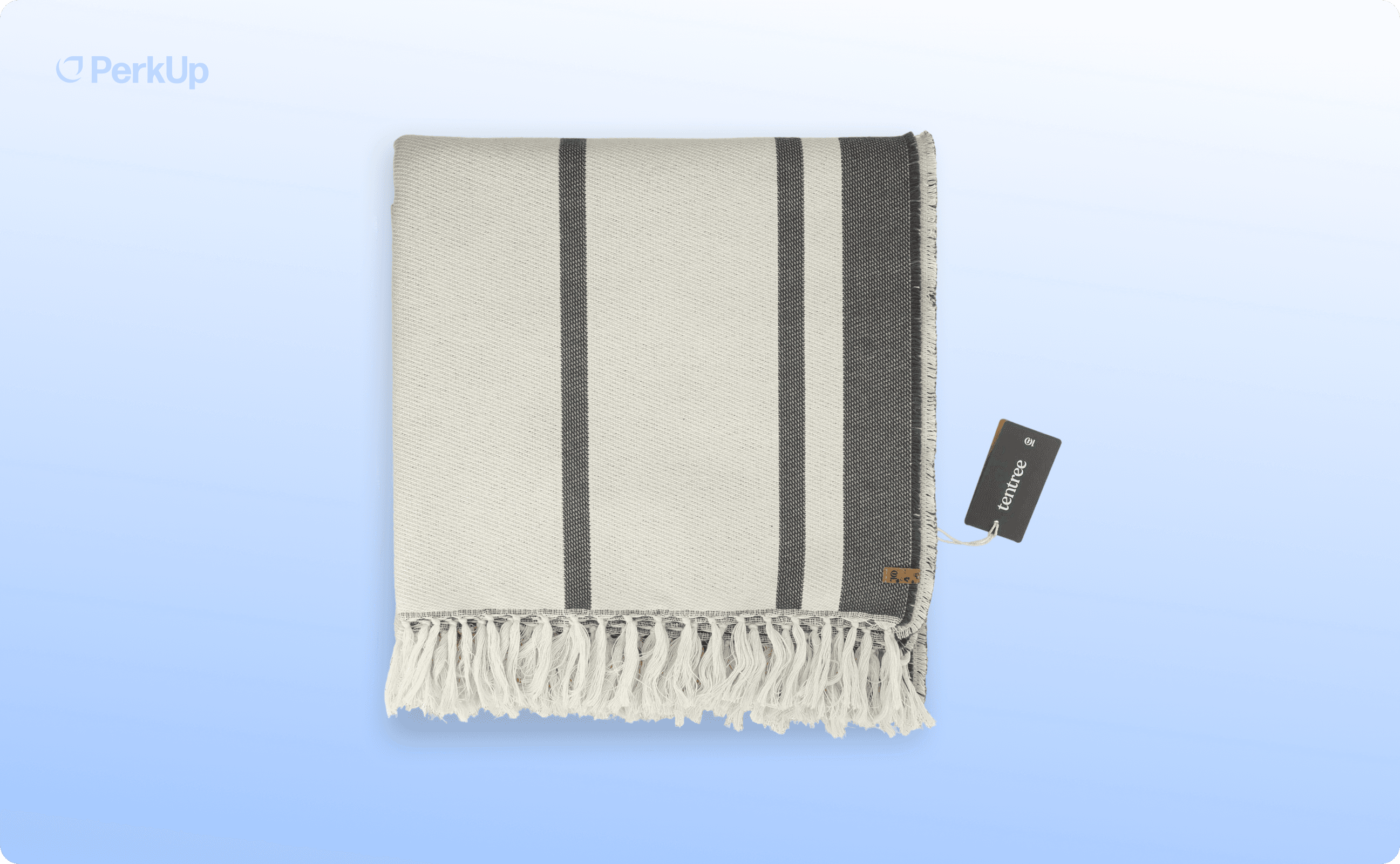
Price: $55.98

Best for: Homebodies and work-from-home team members

14 oz contigo streeterville
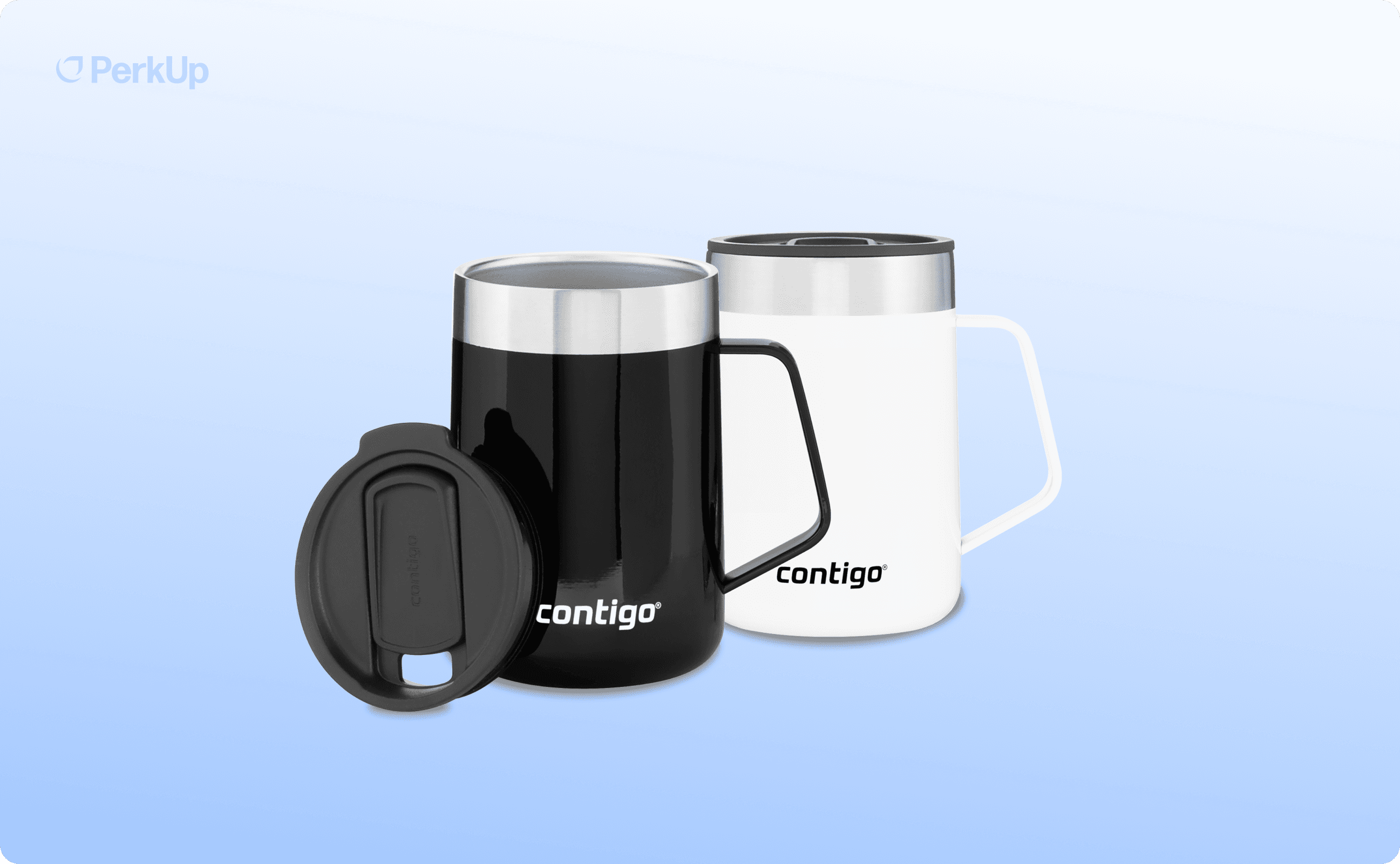
Price: $17.99

Best for: Office use and desk essentials kit


How to choose the right gifts for your team?

Selecting items that resonate requires understanding your team's demographics, preferences, and daily realities. The most successful gift baskets balance universal appeal with opportunities for personalization.

Know your audience demographics

Start by analyzing your team composition. A tech startup with primarily millennial and Gen Z employees has different preferences than a manufacturing company with a multi-generational workforce. Remote teams need support that is different from office-based groups.

Consider geographic distribution. If you're shipping globally, think about items that travel well and have universal appeal. Avoid food items with short shelf lives or products that might not clear customs easily. Companies using global gifting platforms can source locally in each market, ensuring items arrive fresh and relevant.

Look at role types across your organization. Engineers might appreciate tech accessories and productivity tools. Sales teams might prefer items that support their on-the-go lifestyle. Creative departments might value unique, design-forward products. Your gift basket strategy should accommodate these differences.

Balance practical and aspirational items

The best baskets mix items employees need with things they want but might not buy themselves. Include practical items they'll use immediately, like quality notebooks, water bottles, or phone accessories. These prove the gift's value right away.

Add aspirational items that feel like treats. Premium snacks, self-care products, or small luxury items create moments of delight. These don't need to be expensive; they just need to feel special and chosen with care.

Avoid items that create work or obligations. Gift cards sound convenient, but they require the recipient to make decisions and take action. Subscription services might seem generous, but they create ongoing commitments. The best gifts are ready to use or enjoy immediately.

Create flexibility through choice

Employee choice transforms good gifts into great ones. Rather than guessing what each person wants, let them select from curated options. This approach respects individual preferences while maintaining your budget and brand standards.

Set up tiered selections based on occasion or tenure. New hires might choose from a welcome collection. Five-year anniversaries unlock premium options. This structure makes the program scalable while ensuring fairness.

Include options for different lifestyles. Some employees want tech gear, others prefer apparel, and some choose home office items. Offering variety ensures everyone finds something meaningful. Platforms that enable employee self-selection eliminate guesswork and reduce waste from unwanted items.

Consider sustainability and values alignment

Your gift choices reflect company values. Employees increasingly care about environmental impact, ethical sourcing, and social responsibility. Choose vendors and products that align with these priorities.

Look for items made from sustainable materials, produced through ethical labor practices, or supporting social causes. These choices show your values extend beyond marketing messages into operational decisions.

Minimize packaging waste. Use recyclable materials, avoid excessive wrapping, and choose items with minimal packaging. Some companies offset the carbon footprint of shipping, turning each gift into a positive environmental contribution. Organizations can partner with sustainability-focused platforms that prioritize local sourcing and environmental responsibility.



Frequently Asked Questions About HR Gift Baskets

How much should we budget per employee for gift baskets?

Budget considerations depend on the occasion, company size, and financial position. Welcome baskets typically range from $50 to $150, providing enough value to make an impression without excessive spending. Anniversary gifts should scale with tenure, starting around $50 for the first year and increasing to $200 or more for significant milestones like five or ten years.

Performance-based recognition often falls in the $75 to $150 range, substantial enough to feel meaningful but sustainable for regular use. The key is consistency within categories. Employees notice if recognition feels arbitrary or unfair.

Consider your total recognition budget holistically. If you're spending $500 per employee annually on various recognition efforts, allocate that across different touchpoints rather than putting it all into one large gift. Frequent, smaller moments of appreciation often drive more engagement than one big annual gesture.

Should we include company branding on gift items?

Branding works best when subtle and tasteful. A small logo on quality apparel feels professional. A large logo plastered across every item feels like you're prioritizing marketing over appreciation.

Mix branded and unbranded items in each basket. Include one or two pieces with your company mark, but balance them with neutral items employees would choose regardless of branding. This approach lets people show company pride when they want while avoiding the feeling of being a walking advertisement.

For items like tech accessories or home office products, skip the branding entirely. These items integrate into personal spaces where company logos feel out of place. Save branding for items naturally worn in professional contexts, like apparel or bags.

How do we handle dietary restrictions and personal preferences?

Avoid food items in standardized baskets unless you have detailed preference data. Food restrictions around allergies, dietary choices, and religious practices make one-size-fits-all food baskets risky. If you include food, offer multiple options or stick to universally safe items like sealed, allergen-free snacks.

Collect preference information during onboarding or through periodic surveys. Ask about dietary restrictions, sizing for apparel, and general interests. Store this data securely and update it regularly as preferences change.

The safest approach is letting employees choose their own items from curated collections. This eliminates guesswork around sizes, preferences, and restrictions while ensuring everyone receives something they actually want.

What's the best time to send gift baskets?

Timing amplifies impact. Send welcome baskets before or on the first day of work. This creates excitement and shows you are prepared for their arrival. Late welcome gifts feel like afterthoughts.

For anniversaries, automate the process so gifts arrive on the actual date. Platforms that automate anniversary recognition ensure no milestone gets missed, even during busy periods.

Project completion recognition works best immediately after achievement. Send baskets within a week of finishing a major initiative while the accomplishment still feels fresh. Delayed recognition loses emotional connection to the achievement.

Seasonal gifts should arrive with enough time to enjoy them. Holiday baskets shipping in late December often get lost in the chaos. Send them in early December when people can appreciate the gesture.

How do we scale gift baskets for growing teams?

Manual gift basket programs break down around 50 employees. Beyond that size, you need systems to track milestones, manage budgets, and coordinate shipping. Start with clear documentation of your program rules, budgets, and processes.

  • Automate milestone tracking through your HRIS or dedicated recognition platform. Manual tracking leads to missed anniversaries and inconsistent recognition. Automation ensures fairness and reduces administrative burden.

  • Establish vendor relationships that scale with your growth. Choose partners who can handle increasing volume without quality degradation. Negotiate pricing tiers that reward growth while maintaining budget predictability.

  • Create templates for different occasion types. This standardizes the experience while allowing for personalization. New managers can follow established guidelines rather than reinventing the process each time.

Should remote and office employees receive different gifts?

Remote employees need items that support their home office setup and combat isolation. Tech accessories, quality desk items, and comfort products work well. Office employees might appreciate items for commuting, lunch breaks, or desk personalization.

The core principle is fairness in value, not identical items. Remote and office employees can receive different products as long as the perceived value and thoughtfulness remain equivalent. Explain your approach transparently so no one feels shortchanged.

Some items work universally. Quality apparel, personal accessories, and experience-based gifts transcend work location. Focus your location-specific choices on practical items while keeping aspirational gifts consistent.


How do we measure the ROI of gift basket programs?

Track engagement metrics before and after implementing recognition programs. Monitor retention rates, particularly around milestone anniversaries. Employees who feel recognized are more likely to stay through their anniversary dates.

Survey employees about recognition effectiveness. Ask specific questions about gift quality, timing, and relevance. This feedback helps refine your program over time.

Calculate cost per retention. If your gift basket program costs $50,000 annually and helps retain five employees who would have otherwise left, compare that to replacement costs. The average cost of replacing an employee ranges from 50% to 200% of their annual salary, making retention investments highly valuable.

Monitor participation in optional recognition programs. If you offer employee-nominated recognition with gift rewards, track nomination rates and recipient feedback. High participation indicates the program resonates with your culture.


Best Practices for Implementing Your Gift Basket Program

Successful gift basket programs require more than good intentions. They need structure, consistency, and ongoing refinement based on feedback and results.

  1. Start with clear program guidelines. Document which occasions trigger gifts, budget ranges for each category, and approval processes. This prevents confusion and ensures fair treatment across your organization. Share these guidelines with managers so they understand what recognition looks like at your company.

  2. Build milestone tracking into your existing systems. Your HRIS should flag upcoming anniversaries, birthdays, and other recognition opportunities. Set reminders at least two weeks in advance to allow time for ordering and shipping. Nothing undermines recognition faster than late or forgotten gifts.

  3. Create feedback loops to improve over time. After each major gifting initiative, survey recipients about their experience. Ask what they loved, what they'd change, and what items they actually use. This data informs future selections and prevents repeated mistakes.

  4. Train managers on recognition best practices. The gift basket is just one element. Pair it with personal acknowledgment, public recognition, or team celebrations. The combination creates more impact than any single gesture alone. Many organizations find success by exploring comprehensive recognition strategies that integrate multiple touchpoints.

  5. Plan for exceptions and special circumstances. Life events, extraordinary achievements, and unique situations sometimes call for recognition outside standard programs. Build flexibility into your budget and processes to handle these moments without bureaucratic delays.

  6. Review and adjust your program quarterly. What worked six months ago might not resonate today. Employee preferences shift, new products emerge, and your company culture evolves. Regular reviews keep your program relevant and effective.

  7. Consider the complete employee journey. Gift baskets work best as part of a broader recognition strategy that includes verbal appreciation, career development opportunities, and meaningful work assignments. The most engaged employees experience recognition through multiple channels, not just physical gifts.


Making Recognition Meaningful and Sustainable

Gift baskets represent more than items in a box. They're tangible expressions of appreciation, markers of important moments, and reinforcement of your company's values. When executed thoughtfully, they strengthen the bond between employees and organizations.

The shift toward employee choice, sustainable practices, and personalized recognition reflects broader changes in workplace culture. Employees expect companies to see them as individuals with unique preferences and values. Generic, one-size-fits-all approaches no longer meet these expectations.

Success comes from balancing structure with flexibility, consistency with personalization, and quality with sustainability. Your gift basket program should feel organized and fair while leaving room for individual preferences and special circumstances.

Ready to build a recognition program that scales with your team? Book a demo to see how PerkUp helps organizations create meaningful recognition moments with global reach, employee choice, and sustainability built in. Our platform handles the logistics so you can focus on what matters, showing your team they're valued.
Start sending incredible swag and gifts globally

Simplify and enhance your event swag and gifting experience for better retention, engagement and productivity.

Start sending incredible swag and gifts globally

Simplify and enhance your event swag and gifting experience for better retention, engagement and productivity.

Start sending incredible swag and gifts globally

Simplify and enhance your event swag and gifting experience for better retention, engagement and productivity.